
Why Bitcoin and Crypto Are Not the Same Thing
The public lumps Bitcoin together with thousands of altcoins. This confusion damages Bitcoin's brand and costs people money.
Feb 14, 2025
Introduction
Ask most people outside the Bitcoin community what the difference is between Bitcoin and cryptocurrency, and you will get a blank stare. To the general public, it is all the same thing. This confusion is not just an inconvenience. It actively damages Bitcoin's reputation and drives people away from the entire space.
Two Fundamentally Different Things
Bitcoin was built to be global, neutral, and rock-solid money for everyone. It has no CEO, no marketing team, no venture capital backers pulling strings. Its monetary policy is fixed. Its network has been running without interruption for over fifteen years. It is the most battle-tested digital asset in existence.
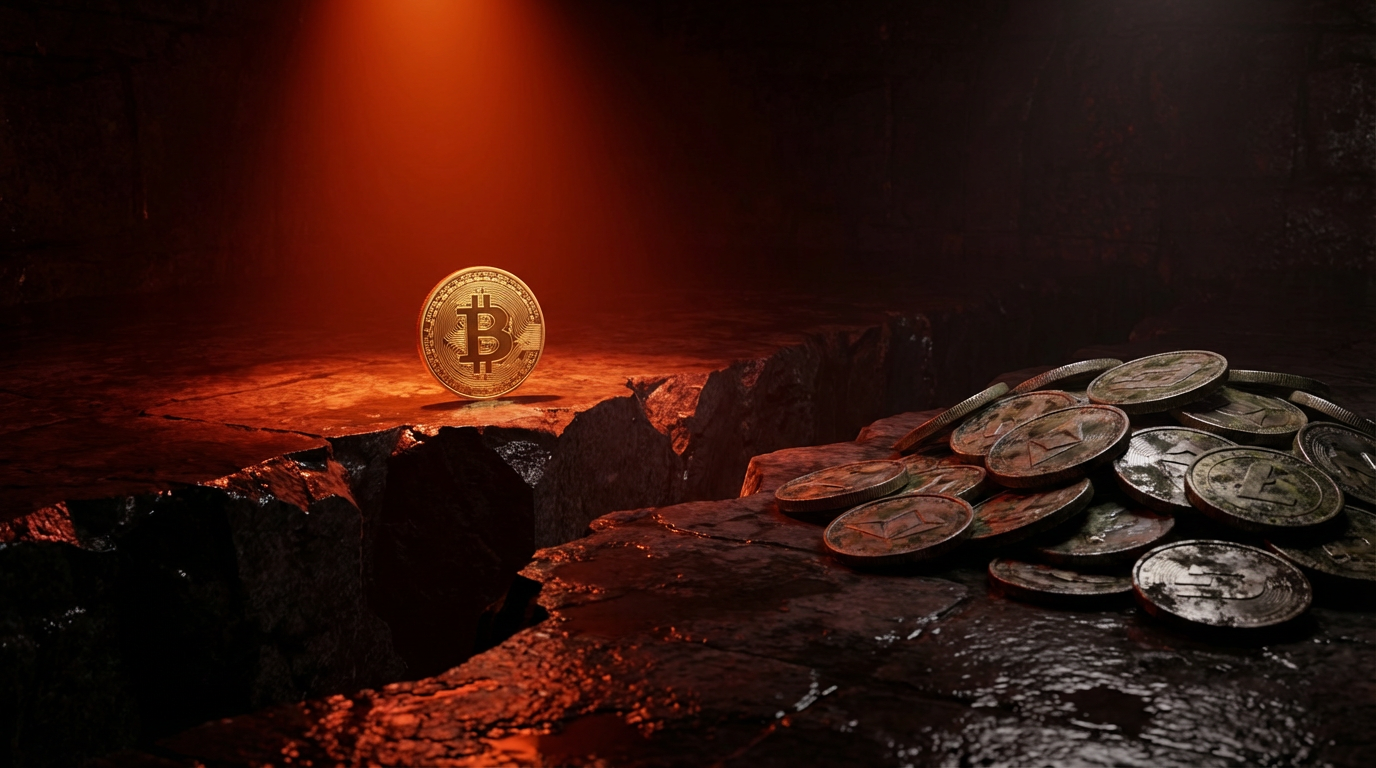
Crypto tokens and altcoins are a different category entirely. Most are closer to penny stocks, casino bets, or lottery tickets than they are to money. They are created by companies or small teams, often with pre-mined supplies, opaque governance, and aggressive marketing designed to attract speculative money. Some are outright scams.
Comparing the two is like comparing a lawnmower to a Ferrari. They both have engines, but that is where the similarity ends.
Why the Public Cannot Tell the Difference
The conflation of Bitcoin and crypto is not surprising. Media coverage routinely groups them together. Exchanges list them side by side. Price tickers treat them as interchangeable assets in the same category. For someone with no background in the space, the message is clear: these are all versions of the same thing.
This is compounded by the sheer volume of altcoins. There are thousands of them, and they collectively generate enormous amounts of noise. Bitcoin's signal gets lost in that noise, especially for newcomers who have no framework for distinguishing signal from garbage.
The Brand Damage Problem
The most damaging consequence of this confusion is what happens when people get burned by altcoins. Someone buys a hyped token, loses their money to a rug pull or crash, and concludes that the entire space is a scam. They do not distinguish between the token that scammed them and Bitcoin. The negative experience gets extrapolated across everything with a blockchain.
This drives people out of the space entirely. Potential Bitcoin users who might have benefited from sound money and self-custody never come back because their first experience with "crypto" was a disaster. The shitcoin ecosystem actively harms Bitcoin adoption.
How to Fix It
The Bitcoin community cannot control how media covers the space or how exchanges list assets. But it can control how it communicates. Clear, consistent messaging that distinguishes Bitcoin from the broader crypto market is essential. This means avoiding the word "crypto" when talking about Bitcoin, explaining the differences plainly when the opportunity arises, and building products that reflect Bitcoin's unique properties rather than imitating the altcoin casino.
Conclusion
Bitcoin and crypto are not the same thing, but the world treats them as if they are. Every scam, every collapse, and every bad experience in the altcoin market reflects back on Bitcoin's brand. Changing that perception starts with clarity: Bitcoin is money. The rest is speculation.
Commentary · Not financial or security advice
This article is opinion and commentary intended for general education. It reflects the views of the author and may not represent the views of Synonym or Bitkit. Nothing here is financial, investment, legal, tax, or security advice. Bitcoin and self-custody involve risk, including permanent loss of funds. Do your own research.
₿ the change
Take control of your money with Bitkit, a self-custodial Bitcoin wallet built for everyday use.
More from Bitkit Learn

Apr 3, 2026
Should Bitcoin Drop the Sats and Standardize Its Symbol?
The Bitcoin logo is globally recognized without any marketing budget. Standardizing the Bitcoin symbol for the base unit could solve unit bias and simplify adoption.
Read more
Jun 4, 2025
Does Bitcoin Scale by Making More Blockchains?
Since Bitcoin launched, the number of blockchains has only grown. Instead of one chain replacing all others, what we see is a class system of chains serving different populations.
Read more
May 7, 2025
How Bitcoin's Perception Has Changed Over the Years
Bitcoin went from niche geek money to a BlackRock treasury asset. Understanding how perception shifted reveals why the brand belongs to everyone.
Read moreEditorial note. Articles on this site are commentary and opinion intended for general education. They reflect the views of their authors, which may not represent the views of Synonym or Bitkit. Nothing on this site is financial, investment, legal, tax, or security advice. Bitcoin and self-custody involve risk, including permanent loss of funds. Do your own research.
In this article
₿ the change
Don't carry your pocket money in someone else's pocket. Download Bitkit wallet now.


Want to keep an eye on your bitcoin savings? Try Bitkit Watch.


Synonym Software, S.A. DE C.V. ©2026. All rights reserved.