
How to Plan Bitcoin Inheritance Without Trusting Anyone
Unlike traditional assets, no court order can give someone your Bitcoin without the keys. Here is why technical inheritance planning is essential and how it works.
Jul 22, 2024

Introduction
With traditional assets, inheritance is a legal process. A court decides who inherits the house, the bank account, the investment portfolio. The legal system enforces those decisions, and the assets transfer accordingly. Bitcoin does not work this way. No court order can give someone Bitcoin if they do not have the private keys. This makes technical inheritance planning not just advisable but essential.
Why Bitcoin Inheritance Is Different
Every other form of property can be transferred through legal authority. If a court says the apartment is yours, the title transfers and you can move in. If a court says the bank account is yours, the bank complies and releases the funds. The legal system acts as the ultimate enforcement mechanism.
Bitcoin exists outside this framework. Ownership is determined entirely by possession of private keys. If the keys are lost, the Bitcoin is gone. If someone else has the keys, they control the Bitcoin regardless of what any legal document says. A will that says "my Bitcoin goes to my daughter" is meaningless if no one knows where the keys are or how to access them.
This is not a flaw. It is the same property that makes Bitcoin resistant to seizure, censorship, and confiscation. But it means that inheritance requires a technical plan, not just a legal one.
The Core Challenge
The inheritance problem in Bitcoin comes down to a specific tension: your heirs need access to your Bitcoin after you die, but they must not have access before that. If you simply give them the keys today, they could take the Bitcoin at any time. If you keep the keys entirely to yourself, they may never be recovered.
The solution requires giving heirs a key that is currently inactive but becomes active upon your death. This is a technical challenge, not a legal one. No lawyer or notary can solve it. It must be solved within Bitcoin's own system.
The Key That Activates Later
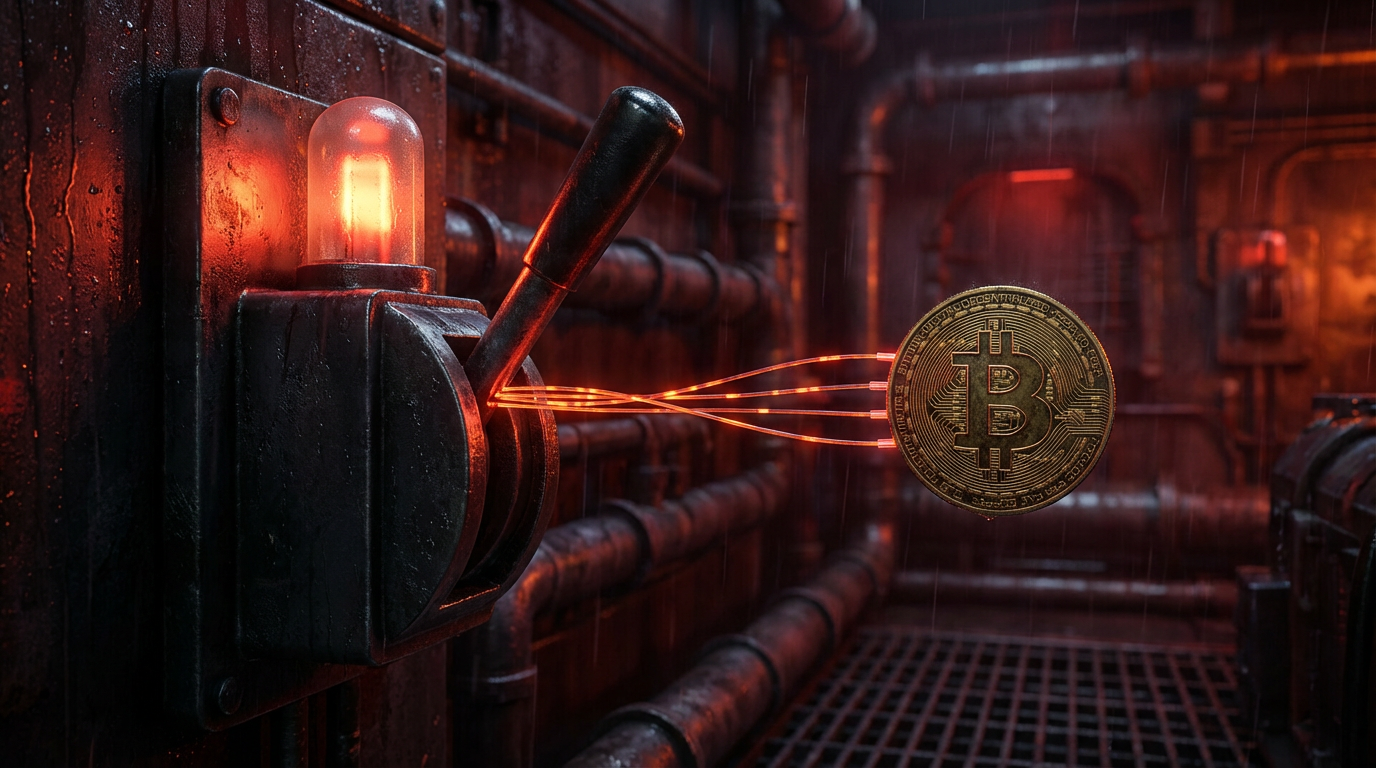
The approach is to create a key for your heirs that cannot be used right now but will become usable after a certain period of time. The mechanism relies on Bitcoin's programmable spending conditions. You can create a transaction that says: this key can spend these coins, but only after a specific amount of time has passed.
The time component creates the window. Your heirs hold a key that is real but dormant. As long as you are alive, you keep the coins locked. When you are gone and can no longer refresh the lock, the heir's key activates and they can access the funds.
This approach keeps you in full control of your Bitcoin during your lifetime while ensuring your heirs can recover it after you are gone, all without trusting any third party.
Why This Matters Now
As Bitcoin's value grows and holders age, the inheritance question becomes increasingly urgent. Early adopters who bought Bitcoin a decade ago may now hold significant wealth that their families cannot access without proper planning. Every year, an unknown amount of Bitcoin is permanently lost because holders died without transferring key access.
The tools to solve this problem exist today. The gap is awareness and implementation. Most Bitcoin holders have not created an inheritance plan, either because they do not realize the problem exists or because they do not know that trustless solutions are available.
Conclusion
Bitcoin inheritance cannot be handled by lawyers alone. The legal system has no power over private keys. Planning the technical side of inheritance, giving heirs a key that activates after your death while remaining dormant during your lifetime, is one of the most important steps a Bitcoin holder can take. The tools exist. The urgency is real.
Commentary · Not financial or security advice
This article is opinion and commentary intended for general education. It reflects the views of the author and may not represent the views of Synonym or Bitkit. Nothing here is financial, investment, legal, tax, or security advice. Bitcoin and self-custody involve risk, including permanent loss of funds. Do your own research.
₿ the change
Take control of your money with Bitkit, a self-custodial Bitcoin wallet built for everyday use.
More from Bitkit Learn
Jul 1, 2025
What Is a Dead Man's Switch and How Does It Work for Bitcoin?
A dead man's switch triggers an action when you stop responding. Applied to Bitcoin through miniscript, it can solve inheritance without trusting any third party.
Read more
May 28, 2026
Why Bitcoin Does Not Scale and Why Banks Cannot Fix It
Bitcoin requires every participant to do the same work. It does not scale by design. Using banks to solve this problem defeats Bitcoin's entire purpose.
Read more
Dec 21, 2024
Why the Lightning Network Matters for Bitcoin's Future
The Lightning Network enables fast, cheap, and private Bitcoin transactions without leaving the Bitcoin ecosystem. Here is why it matters.
Read moreEditorial note. Articles on this site are commentary and opinion intended for general education. They reflect the views of their authors, which may not represent the views of Synonym or Bitkit. Nothing on this site is financial, investment, legal, tax, or security advice. Bitcoin and self-custody involve risk, including permanent loss of funds. Do your own research.
In this article
₿ the change
Don't carry your pocket money in someone else's pocket. Download Bitkit wallet now.


Want to keep an eye on your bitcoin savings? Try Bitkit Watch.


Synonym Software, S.A. DE C.V. ©2026. All rights reserved.